Tactical Garb Protocols: Optimizing Visual Cues for Rapid Squad Identification and Operational Readiness
This intelligence report dissects the strategic value of deliberate dwarf loadout aesthetics, moving beyond mere 'fashion' to critical battlefield recognition. Proper visual protocols enhance team cohesion, streamline target acquisition, and bolster unit morale under extreme duress.
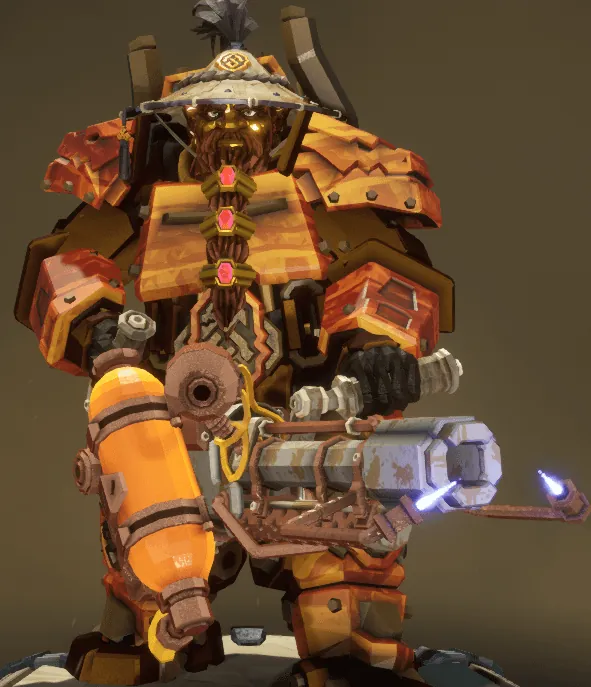
Combat Summary
- Target/Topic: Standardization of Dwarf Loadout Visuals for Enhanced Battlefield Recognition and Unit Morale.
- Recommended Hazard Level: All operational tiers, with critical emphasis on Hazard 4, Hazard 5, and Elite Deep Dives where rapid identification and communication are paramount.
- Loadout/Gear Focus: Strategic application of Armor Paint Schemes, Headwear, and Weapon Frameworks to establish clear visual profiles for each class and overall squad coherence.
Operational Aesthetics: Beyond Vanity, Towards Victory
While some greenbeards might dismiss ‘dwarf fashion’ as mere vanity, a seasoned miner understands that every aspect of operational readiness contributes to mission success. This report elevates loadout aesthetics from personal preference to a critical tactical consideration. Our visual presence, both individually and as a unit, profoundly impacts battlefield efficiency, communication, and overall combat psychology. We’re not just ‘looking good’; we’re optimizing for survival.
Rapid Role Identification: Optimizing Silhouette and Color Profiles
In the chaos of a Glyphid swarm or the low-light conditions of an unexplored cavern, every second counts. The ability to instantly identify a fellow miner’s class is not a luxury; it’s a necessity.
- Distinct Silhouettes: Each class possesses a unique base silhouette. Strategic use of armor, helmets, and backpacks can either enhance or obscure these. Prioritize gear that reinforces the distinctive outline of the Gunner’s bulk, the Scout’s agility, the Driller’s heavy tools, and the Engineer’s compact utility.
- Class-Specific Color Schemes: Establish a primary color palette for each class. For instance, a consistent ‘Scout Yellow’, ‘Driller Red’, ‘Engineer Blue’, and ‘Gunner Green’ (or similar established team protocols) allows for immediate visual differentiation across any environment. Avoid overly complex or similar schemes between classes. Clarity over artistic flair is paramount.
Environmental Adaptability: Contrast for Clarity
While stealth might seem appealing, for a Deep Rock Galactic unit, clear friend-or-foe identification far outweighs any marginal benefit of camouflage against the indigenous fauna. Our primary ‘foe’ isn’t us; it’s the swarm.
- High-Contrast Elements: Utilize paint schemes and armor parts that provide a stark contrast against typical cave backdrops (rock, fungal growths, alien flora). Bright, distinct colors ensure your teammates can locate you rapidly, whether you’re down, calling for a resupply, or positioning for an objective.
- Avoid Environmental Blending: Resist the urge to match your gear to the prevalent biome colors. A dwarf blending perfectly with the fungal bogs of Azure Weald is a dwarf lost in the heat of battle when critical support is needed.
Morale and Professionalism: The Psychological Edge
The psychological impact of a unified, professional appearance cannot be understated. A squad that looks coordinated often operates with coordination.
- Unit Cohesion: When every dwarf adheres to a collective visual standard, it fosters a sense of unity and shared purpose. This translates to stronger teamwork and more fluid tactical execution.
- Boosted Morale: Taking pride in one’s gear, knowing you represent a disciplined outfit, actively combats the demoralizing effects of sustained combat and isolation. A sharp-looking crew is a confident crew. It’s a small edge, but every edge counts when you’re 800 meters down.
Implementing Visual Protocol: A Call to Standardisation
To maximize these tactical benefits, units should establish and adhere to clear visual protocols.
- Pre-Mission Briefing: Discuss desired loadout aesthetics and color assignments during pre-mission briefings, especially for Elite Deep Dives or critical operations.
- Feedback Integration: Encourage constructive feedback on visibility and distinctiveness among squad members. ‘Your armor blends too much with the lava in Magma Core, Gunner’ is not an insult; it’s vital intel.
- Weapon Visuals: Extend these principles to weapon frameworks and paint jobs. While less critical than armor, a cohesive weapon aesthetic further reinforces unit identity.
Remember, miners: we face an unforgiving frontier. Every detail, from the caliber of your rifle to the color of your helmet, contributes to the mission’s success. Look sharp, stay sharp, and Rock and Stone!