Projected Operational Expansion: Analyzing Non-Mining Trade Sectors & Hostile Planet Threat Profiles
This intelligence report details strategic assessments of Deep Rock Galactic's potential future operational expansions beyond traditional mining. It evaluates diversified trade sectors, anticipating novel environmental hazards, specialized equipment demands, and emerging hostile entity profiles across uncharted galactic biomes.
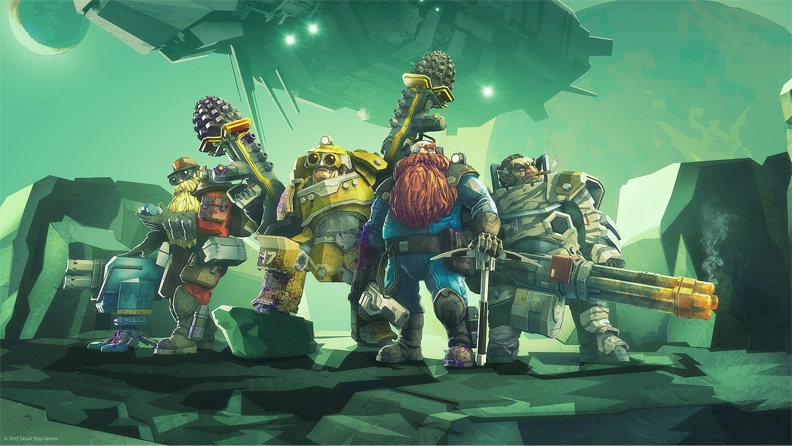
Combat Summary
- Target/Topic: Analysis of theoretical Deep Rock Galactic operational expansions into non-mining industrial sectors, projecting associated tactical challenges.
- Recommended Hazard Level: Variable, contingent upon environmental volatility and estimated indigenous fauna intelligence. Anticipate initial deployments at Hazard 4-5 equivalent for unfamiliar threat profiles and extreme conditions.
- Loadout/Gear Focus: Highly specialized, trade-specific equipment augmented with standard-issue combat platforms. Expect requirements for advanced naval/aquatic combat rigs, arboreal deployment and extraction systems, precision engineering tools, and comprehensive anti-fauna weaponry adapted for diverse biological and environmental resistances.
Section 1: The Blue-Collar Imperative - Expanding DRG’s Operational Mandate
Brothers, listen up. We’ve long prided ourselves on mastering the most dangerous, thankless work in the galaxy: deep-core extraction. But intel from various sources, including veteran debriefs, indicates a growing sentiment for Deep Rock Galactic to leverage its unique expertise – the blend of industrial grit, tactical acumen, and sheer dwarven stubbornness – into diversified operational mandates. This isn’t just about rocks; it’s about asserting dominance over every hostile niche the galaxy throws at us. The appeal is clear: applying our ‘blue-collar combat’ doctrine to new, equally hazardous trades. We’re talking about expanding our frontlines beyond the tunnels.
Section 2: Projected Operational Scenarios & Environmental Hazards
Forecasting potential new sectors reveals a spectrum of environmental challenges and hostile entities, demanding proactive tactical development. Each scenario represents a high-risk, high-reward proposition for Deep Rock Galactic, demanding adaptability and specialized training.
2.1. Arboreal Extraction & Pest Control: The Canopy Front
Consider the prospect of arboreal lumberjack or arborist operations on planets dominated by colossal flora. Initial reports suggest involvement with entities akin to ‘goblin arborists’ – a potential competitor or perhaps a new indigenous species to be ‘managed.’ The primary tactical challenge arises from operating within dense, vertical forest environments, potentially under the oversight or direct opposition of ‘elven managed forest planets.’ This implies not only natural threats but also potential sentient, territorial resistance.
- Environmental Hazards: Extreme heights, unstable canopy platforms, corrosive sap, aggressive root systems, highly specialized airborne fauna, and camouflaged ground predators. Visibility could be severely restricted by foliage and atmospheric conditions.
- Anticipated Threats: Rapidly regenerating flora with defensive mechanisms, swarms of venomous airborne insects, territorial megafauna adapted to vertical movement, and potentially organized, primitive arboreal humanoids (‘goblins’) defending their territory. Expect the usual ‘bugs’ – but with wings, climbing claws, and perhaps a taste for wood.
2.2. Abyssal Salvage & Sub-Aquatic Warfare: The Deep Sea Initiative
The ocean planets represent a largely untapped frontier for resource acquisition and strategic positioning. Discussions highlight underwater welding and salvage operations, indicating a focus on sub-aquatic infrastructure repair or recovery of high-value assets. This scenario immediately introduces ‘Lovecraftian creatures’ as primary hostile entities, necessitating a complete re-evaluation of combat doctrines for naval engagement. The concept of ‘mermaids performing extreme, radical plumbing repairs while fighting off hordes of intelligent sharks’ underscores the potential for highly evolved, possibly sentient aquatic threats and complex sub-surface objectives.
- Environmental Hazards: Crushing hydrostatic pressure, extreme temperatures (hydrothermal vents/deep-sea cold), zero visibility, corrosive waters, bio-luminescent predator lures, and sonar interference. Equipment failure at depth is catastrophic.
- Anticipated Threats: Gigantic, deep-dwelling leviathans; intelligent, pack-hunting marine predators (sharks); parasitic organisms, and potentially organized aquatic humanoids (‘mermaids’) operating with advanced, localized technology. Naval combat, emphasizing submersible tactics and specialized weaponry, will be paramount.
2.3. Specialized Trade Support & Strategic Logistics: The Management Perspective
While direct combat operations are our bread and butter, expanding into ancillary trades suggests strategic logistical and oversight roles. The notion of an ‘RTS type game where you play as Mission Control’ indicates a need for comprehensive strategic planning, resource allocation, and real-time operational direction from a macro perspective. Furthermore, speculative concepts like ‘elf farming,’ ‘orc logging,’ ‘goblin mechanic shop,’ ‘golem electricians,’ or ‘bug rancher’ – all universally qualified with ‘with bugs’ – point to Deep Rock potentially supporting, integrating, or even competing within these new markets. Each implies a new operational challenge where combat is a means to secure an industrial objective.
- Environmental Hazards: Varied, depending on the specific trade. Includes agricultural blight, environmental instability from logging, mechanical failures, electrical hazards, and uncontrolled fauna outbreaks.
- Anticipated Threats: Pest infestations unique to agriculture, aggressive territorial fauna defending logging sites, mechanical sabotage, electrical surges causing system failure, and uncontrolled ‘bug’ proliferation from ranching operations. Logistical chokepoints and defense of industrial installations become critical tactical objectives.
Section 3: Anticipated Threat Evolution
The constant refrain of ‘with bugs’ across all proposed scenarios is not coincidental. It is a fundamental truth: wherever Deep Rock Galactic establishes operations, indigenous hostile fauna will adapt, evolve, and challenge our presence. These new environments will breed new ‘bugs’ – entities with novel resistances, attack patterns, and potentially, higher intelligence. The mention of ‘intelligent sharks’ and ‘Lovecraftian creatures’ signals a potential shift from instinctual, swarming enemies to coordinated, strategic adversaries requiring advanced counter-intelligence and specialized counter-measures.
Section 4: Strategic Implications & Gear Development
These projections have profound implications for Deep Rock Galactic’s long-term strategic planning. We must prepare for:
- Diversified Training: Specialists in arboreal deployment, submersible operations, and complex logistical management will be critical.
- Advanced Equipment R&D: New suit designs for pressure/aquatic environments, specialized cutting/welding tools, enhanced environmental scanning, and completely new weapon platforms for diverse enemy types.
- Fleet Expansion: Development of specialized vessels for atmospheric, arboreal, and sub-aquatic deployment and extraction.
- Intelligence Gathering: Prioritizing reconnaissance into these new biomes and potential sentient populations to prevent being caught flat-footed.
The galaxy is vast, and the opportunities for Deep Rock Galactic to expand its reach and profits are equally immense. But with every new venture comes new threats. Stay sharp, Greenbeards. Management demands results, and the universe demands vigilance. Rock and Stone.