Lithophage Meteorite Event Analysis: Double Impact Probabilities & Rock Cracker Deployment Doctrine
This intelligence report dissects the rare occurrence of multiple Lithophage Meteorites and critical considerations for Rock Cracker deployment protocols. Understanding these variables is vital for optimizing resource allocation and maintaining operational efficiency during Lithophage Outbreak missions.
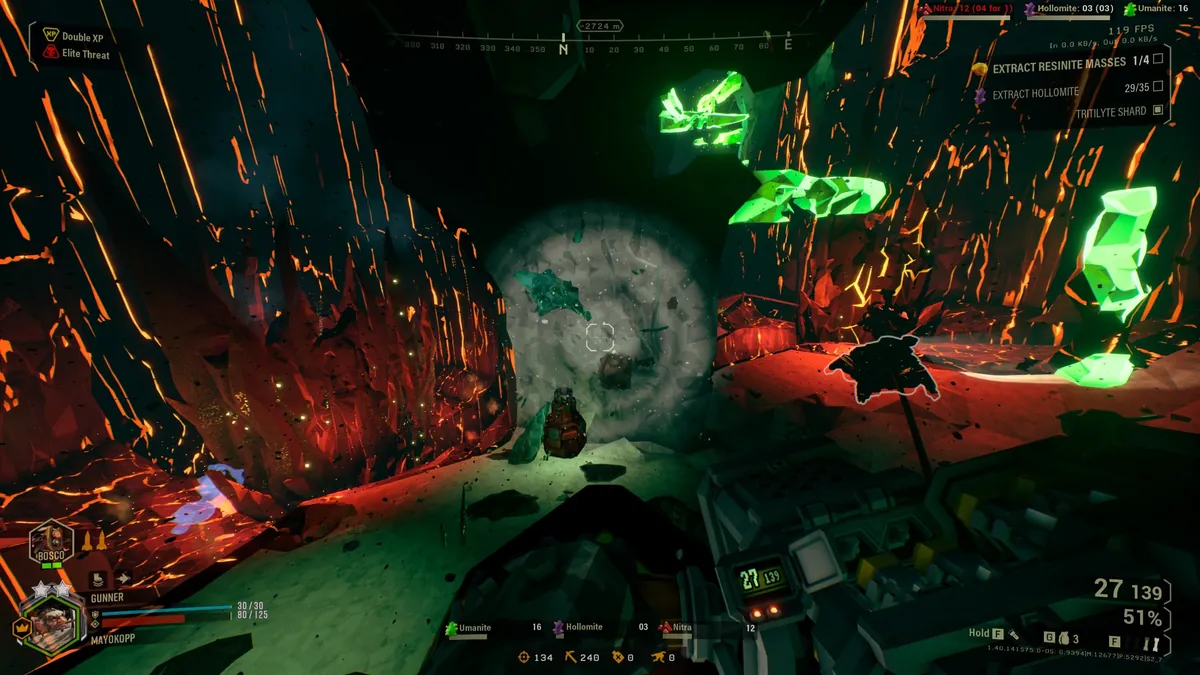
Combat Summary
- Target/Topic: Multi-Meteorite Lithophage Outbreak Events & Rock Cracker Deployment Protocols.
- Recommended Hazard Level: Haz 3-5. Tactical considerations apply universally, but higher hazards amplify the impact of these events, demanding stricter adherence to protocol.
- Loadout/Gear Focus: Versatile mobility tools (Grappling Hook, Ziplines, Platforms) are paramount for efficient Rock Cracker placement and plagueheart extraction. Long-range engagement options and high-capacity AoE crowd control are critical for sustained defense during extended extraction phases.
Anomalous Meteorite Activity: Double Impact Assessment
Intelligence confirms that the simultaneous impact of two large Lithophage Meteorites within a single mission is an exceedingly rare event, estimated at approximately a 4% probability. This anomaly significantly alters mission parameters, elevating threat levels and resource expenditure.
- Resource Strain: A double impact implies a minimum of 7-8 Plaguehearts for extraction, drastically increasing the required time on target, defensive engagements, and subsequent ammo consumption. Prepare for prolonged swarms and higher material costs.
- Operational Tempo: Mission duration will inevitably extend. Miners must manage their primary objectives while simultaneously engaging two separate, high-priority targets. This often leads to increased swarm density as mission timers progress.
Rock Cracker Deployment Doctrine & Environmental Variables
The persistent issue of suboptimal Rock Cracker deployment locations is a critical operational challenge. Our analysis indicates this is primarily due to procedural generation algorithms interacting with complex cave geometries, frequently placing crackers on high ledges, in deep chasms, or across multiple separated caverns.
- Pre-Cracking Reconnaissance: Prioritize a thorough reconnaissance of the immediate impact zone. Identify the most accessible locations for all three Rock Cracker nodes before calling them down. Utilize Engineer platforms, Driller tunnels, or Gunner ziplines to create viable paths for attachment and defense.
- Strategic Placement: Focus on securing at least two crackers in relatively defensible positions. A single well-placed cracker, even if challenging, is preferable to several scattered in impossible terrain.
Non-Deployment Protocol: The ‘Free Win’ Scenario
Under specific, rare circumstances where the terrain is exceptionally convoluted or constrained, the system may fail to find viable spawn points for the Rock Crackers. In such instances, the Lithophage Meteorite will automatically shatter, yielding its Plaguehearts without requiring cracker deployment.
- Identifiable Conditions: While unpredictable, this scenario is more likely in extremely cramped, narrow tunnels or highly fragmented cave systems where line-of-sight and clear pathing for cracker drones are absent.
- Strategic Value: This is an unexpected boon, allowing for significant resource preservation (ammo, utility tool charges, health). However, it is not a reliable tactic. Always prepare for standard cracker deployment and consider this a statistical anomaly if it occurs.
Operational Readiness & Contingency Planning
Flexibility is paramount when facing the unpredictable variables of the Glyphid ecosystem. A double meteorite impact, combined with challenging cracker placements, tests the mettle of even the most seasoned Greybeard.
- Team Communication: Clear and concise communication regarding cracker locations, defensive perimeters, and target prioritization is non-negotiable. Designate roles for securing each cracker if spread across difficult terrain.
- Resource Management: Carefully ration ammo and health. Two meteorites mean twice the defense required. Over-committing resources to the first meteorite can cripple efforts on the second.
- Exit Strategy: Always maintain awareness of potential escape routes and consider the impact of prolonged engagements on your M.U.L.E.’s location and the drop pod’s eventual extraction point. Rock and Stone!